
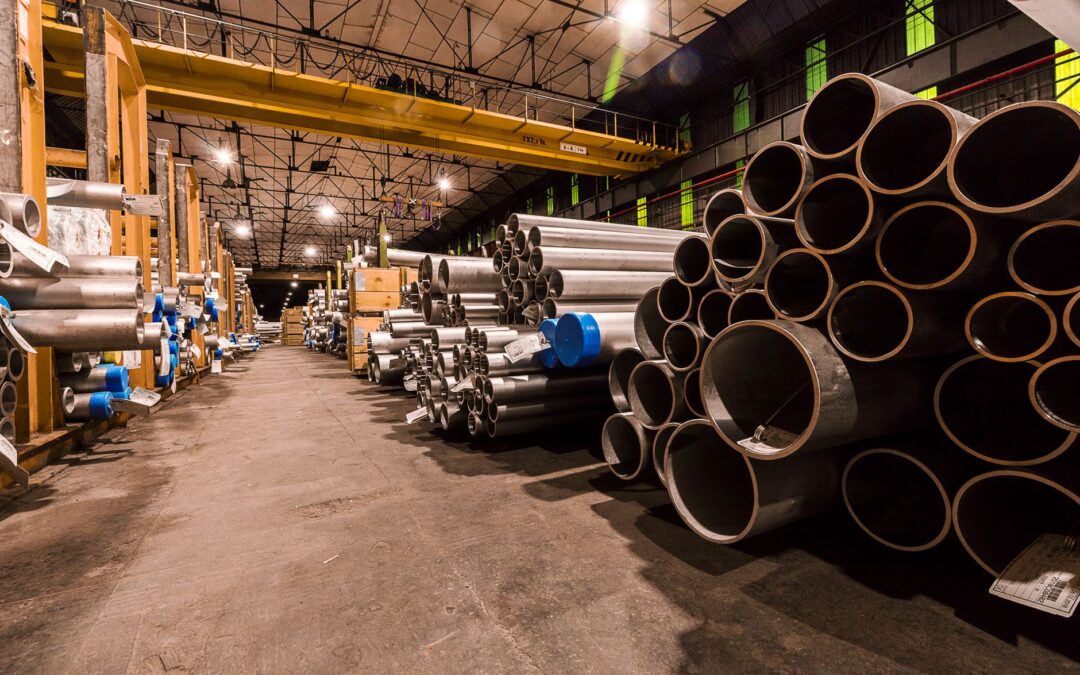
Valve inventory support gives oil and gas resellers reliable access to stocked plug valves, gate valves, and gear operators without carrying the full financial burden of the inventory themselves. In practice, it means a manufacturer or master distributor holds ready-to-ship product—often across multiple brands and pressure classes—so resellers can quote confidently and fill customer orders in days rather than the 12 to 26 weeks a foundry-to-order valve can require. This is the single largest factor separating a reseller who wins repeat orders from one who loses them to a faster competitor.
What is valve inventory support for oil and gas resellers?
Valve inventory support is a stocking and fulfillment arrangement in which a valve manufacturer or master distributor maintains ready inventory that resellers can draw from to serve end users. For oil and gas resellers, this typically covers pressure-balanced lubricated plug valves, expanding gate valves, and associated gear operators across API 6D and API 6A specifications.
The arrangement usually includes several components:
Core elements
- Physical stock in common sizes (2″ through 24″) and pressure classes (ANSI 150 through 2500)
- Brand breadth, so a reseller can source multiple valve lines from one relationship
- Same-day or next-day shipping on catalog items
- Technical documentation—material test reports, pressure test certificates, and dimensional drawings
The American Petroleum Institute sets the standards these valves must meet, and inventory support means the stock already carries the correct certifications. For a reseller, that removes the risk of quoting a valve that then fails to meet a customer’s specification. The value is not just having product on a shelf—it is having the right product, verified and documented, available on demand.
Why does valve inventory support matter so much?
Valve inventory support matters because lead time is the deciding factor in most oil and gas procurement decisions, and resellers rarely have the capital to stock deep inventory themselves. When an operator has a shutdown or a failed valve on a live line, they need replacement product within days. A reseller who must wait for a full manufacturing run loses that order.
Consider the economics. A single 12″ pressure-balanced plug valve can represent tens of thousands of dollars in tied-up capital. A reseller stocking a full matrix of sizes, classes, and end connections would need seven figures in inventory sitting idle. Inventory support shifts that carrying cost to the supplier, letting the reseller compete on availability without the balance-sheet exposure.
According to the U.S. Energy Information Administration, upstream and midstream activity remains cyclical, meaning demand can spike sharply. Resellers with strong inventory support behind them can capture surge demand; those without it cannot. The gap is measurable in lost quotes and abandoned customer relationships.
How much does valve inventory support cost a reseller?
Direct valve inventory support usually costs the reseller nothing beyond the product price itself—the supplier absorbs the carrying cost in exchange for the ongoing relationship and margin on sales. The reseller’s cost is embedded in unit pricing rather than a separate fee.
Typical cost structure
- No stocking fee in most master-distributor arrangements
- Volume pricing tiers, where higher annual purchase volume unlocks better unit costs
- Freight, generally billed at actual cost or a flat published rate
- Optional consignment, where product sits at the reseller’s location and is paid for only when sold
Consignment programs shift some inventory to the reseller’s shelf without upfront payment, which improves the reseller’s quote speed further but requires an established, trusted relationship. Most suppliers reserve consignment for resellers with proven order history.
The real cost to evaluate is not the fee—it is the cost of not having support: lost orders, expedite charges, and damaged customer trust. A reseller who pays a 3% higher unit price but ships in two days instead of twelve weeks typically comes out far ahead.
What products should be covered by valve inventory support?
Strong valve inventory support covers the fast-moving, high-value items that oil and gas end users need most urgently. The priority categories are plug valves, gate valves, and gear operators, because these are the components most likely to fail on live systems or be required during turnarounds.
Priority stock categories
- Pressure-balanced lubricated plug valves — critical for pipeline isolation and flow control
- Expanding and slab gate valves — common on transmission and gathering lines
- Gear operators — required to actuate large-bore valves safely, including units like the DYNATORQUE 90
- Trim and seal kits — for field repair rather than full replacement
Brand coverage matters as much as category coverage. A reseller serving multiple operators encounters spec sheets calling out specific manufacturers. Inventory support that spans recognized lines—such as KF, Galli & Cassina, and WKM—lets a reseller answer more spec requirements from a single source instead of chasing several vendors per quote.
Why do competitors rank for valve inventory support—and what should you look for instead?
Large distributors like MRC Global and specialized suppliers such as Flowserve and Emerson rank prominently for valve inventory support because of scale and broad web presence, not necessarily because they offer resellers the best terms. Scale can mean slower, more rigid processes and less willingness to work flexibly with mid-sized resellers.
What a reseller should actually evaluate is different from what ranks first in a search result:
The real evaluation criteria
- Responsiveness — does a real technical contact answer within hours, or does your request enter a queue?
- Brand breadth from one relationship — fewer vendors means faster, cleaner quoting
- Certification transparency — are material test reports and pressure certs supplied without friction?
- Reseller-friendly terms — pricing tiers and consignment options that respect your margin
A smaller, specialized supplier often serves resellers better precisely because the relationship is direct. You can reach the person who knows the stock. That direct line frequently beats the impersonal scale of the largest names, especially on urgent turnaround orders where minutes matter.
How do you choose a valve inventory support partner?
Choosing a valve inventory support partner comes down to matching their stocked product to your customers’ recurring specifications, then verifying they can ship and document reliably. Start by listing the valve types, sizes, and pressure classes your last 12 months of quotes actually called for.
A practical selection checklist
1. Map your demand — what did your customers request most often, and in what specs?
2. Confirm stock depth — ask for current inventory in your priority sizes, not just a catalog
3. Test responsiveness — send a real quote request and time the reply
4. Verify certifications — request a sample material test report and pressure test cert
5. Review terms — pricing tiers, freight policy, and consignment eligibility
6. Check brand alignment — does their line sheet cover the manufacturers your specs name?
The International Organization for Standardization publishes the quality-management standards many operators require of the supply chain, so a partner with documented quality processes reduces your risk. Do not choose on price alone. A partner who ships fast, documents cleanly, and answers the phone will earn you repeat business that a marginally cheaper but slower supplier never will.
What are the trade-offs and when might you not need inventory support?
You may not need deep valve inventory support if you serve a narrow customer base with predictable, planned procurement and long lead times built into their projects. In that case, made-to-order sourcing can work fine and avoids any dependence on a stocking partner’s catalog.
When inventory support is essential
- You serve operators with unplanned failures or emergency shutdowns
- Your customers demand short lead times as a condition of the order
- You compete against resellers who already ship in days
When it matters less
- Your orders are project-based and scheduled months ahead
- Customers accept standard manufacturing lead times
- You operate in a very narrow product niche
The honest answer is that most oil and gas resellers benefit from inventory support because the market rewards availability. But the depth of support you need scales with how time-sensitive your customers are. Match the arrangement to real demand rather than over-committing to programs you will not use.
Where can resellers get valve inventory support?
Resellers can get valve inventory support from valve manufacturers and master distributors who stock finished product and represent multiple brands. Energy Valves is one such supplier: it manufactures and distributes industrial valves for energy sector applications—including plug valves, gate valves, pressure-balanced lubricated plug valves, and gear operators—and represents brands such as KF, Galli & Cassina, and WKM. You can review the full product range on the Energy Valves line sheet to check coverage against your own recurring specifications.
When you approach any potential partner, come prepared. Bring your demand map, your priority sizes and classes, and a real quote request to test their responsiveness. A supplier who stocks the right product, documents it correctly, and ships it quickly gives a reseller the single most valuable thing in this market: the ability to say yes, in stock, shipping now when a customer’s line is down. That capability, more than price, is what keeps oil and gas end users coming back to the reseller who serves them well.
Frequently Asked Questions
Who provides valve inventory support for oil and gas resellers?
Valve manufacturers and master distributors that stock finished product across multiple brands provide inventory support, holding ready-to-ship plug valves, gate valves, and gear operators so resellers can fill orders in days instead of months. Energy Valves is one such supplier, representing brands including KF, Galli & Cassina, and WKM.
How much does valve inventory support cost a reseller?
Most valve inventory support arrangements carry no separate stocking fee; the supplier absorbs the carrying cost and the reseller pays only the product price, often with volume pricing tiers. Consignment options can further reduce upfront cost for established resellers.
What valves should inventory support cover for oil and gas?
Priority stock should cover pressure-balanced lubricated plug valves, expanding and slab gate valves, gear operators, and repair trim and seal kits, in common sizes from 2 to 24 inches and pressure classes from ANSI 150 to 2500, all with API-compliant certifications.