
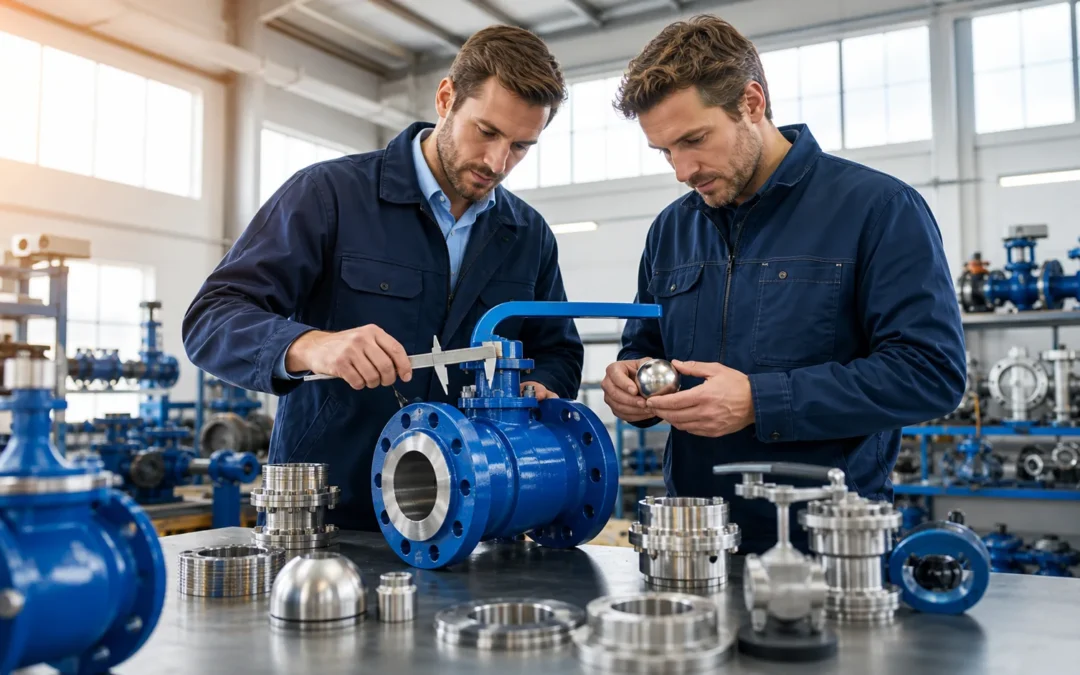
Protect Margins with Accurate Valve Specifications
Accurate specifications help you protect margins, prevent return issues, and keep customer trust intact. With WKM floating ball valves, a small missing detail can lead to the wrong connection, material, bore, or operating setup. That can slow a shipment when your customer needs a replacement valve quickly.
As fall maintenance turnarounds and winter operating conditions approach, valve requests often become more urgent. We recommend reviewing pressure ratings, materials, end connections, actuation needs, and compliance requirements before you promise availability. A complete valve description gives your sales team a much stronger starting point than a size and a brand name alone.
Avoid Costly WKM Floating Ball Valve Specification Errors
One common mistake is treating every valve of the same nominal size as interchangeable. A two-inch WKM floating ball valve may look like a simple request, but the correct choice can depend on the valve series, body construction, seat design, bore type, pressure class, and intended service.
We often see incomplete requests such as “a standard WKM valve” or “a two-inch ball valve.” Those descriptions may help start a conversation, but they are not enough to match a valve confidently. Before quoting or reserving inventory, we recommend confirming the full configuration.
A repeatable quotation checklist can help your team gather the right information every time:
- Valve size and pressure class
- Body material, trim, and seat material
- End connection type and related piping details
- Service media, operating temperature, and pressure range
- Manual or automated operation requirements
Using the same intake process for each inquiry helps prevent corrections later. It also gives buyers a clearer path to provide missing details before an order becomes urgent.
Match Valve Materials to Service Conditions
Material selection is about more than choosing carbon steel or stainless steel from a catalog. The valve body, trim, seats, and seals all need to fit the service conditions your customer describes. Media such as sour gas, produced water, chemicals, saltwater, and other industrial fluids can create different concerns for corrosion, wear, and sealing.
Seat and seal materials deserve the same attention as the body material. Soft-seat configurations can be a fit for many applications, but temperature swings, abrasive media, chemical exposure, and changing pressure conditions can affect performance over time. A valve may match the requested size and pressure class while still being a poor match for the actual service.
When an application description is unclear, we encourage you to ask a few practical questions before selecting WKM floating ball valves. Confirm the operating temperature, fluid composition, normal pressure range, and outdoor or indoor environment. If the answers are incomplete, bringing technical support into the conversation early can help avoid an incorrect recommendation.
Verify Pressure Class, Bore, and Flow Requirements
Nominal pipe size tells you the connection size, not the full pressure capability of the valve. A valve can fit the pipe and still fall short of the customer’s pressure, temperature, or design-standard requirements. We recommend verifying the actual operating conditions instead of relying on the valve size alone.
Bore type matters, too. Full-port and reduced-port valves should not be treated as automatic substitutes. The bore can affect flow capacity, pressure drop, pigging needs, and how the valve works with surrounding pipeline components. If a buyer needs a clear flow path or has specific pipeline equipment in place, that detail should be part of the original request.
Pressure conditions can also change during operation. Ask about upstream and downstream pressure, expected cycling frequency, and possible surges. These details help you avoid supplying a valve that fits a basic catalog description but does not suit the real conditions at the site.
Confirm End Connections and Automation Needs
Connection details are easy to overlook when a buyer is focused on getting a replacement valve quickly. Flanged, threaded, welded, and specialty end connections may have different requirements, even when the nominal size appears to match. We recommend confirming the connection type, flange rating, face-to-face dimensions, and any welding details before the valve is selected.
Automation can add another layer to the order. A manual gear operator, pneumatic actuator, electric actuator, mounting hardware, and positioner all need to work with the valve’s torque requirements and the customer’s control setup. Sending a valve without the needed automation components can create installation delays and last-minute accessory requests.
Questions about operation should be part of every intake conversation:
- Will the valve be operated by hand or by a gear operator?
- Does the customer need pneumatic or electric automation?
- Is the valve part of a remote-control or shutdown system?
- Are positioners, mounting parts, or control accessories required?
Clear answers help your team quote a complete valve package instead of only one part of the final installation.
Build Better Quotes Before Demand Rises
Fall is a good time to review upcoming customer needs for maintenance work, winter operating conditions, and Q4 replenishment orders. We recommend using a standard intake process that captures the application, pressure, temperature, materials, connection type, automation needs, certifications, and delivery requirements before inventory is promised.
Working from complete specifications helps you compare available configurations more accurately and communicate clearly with buyers. It also gives you a better foundation for planning emergency stock and replacement needs when demand picks up.
Before the next urgent request arrives, encourage your sales team to slow down long enough to confirm the details that matter. A well-matched WKM floating ball valve supports smoother ordering, fewer surprises at installation, and stronger confidence from the customers who depend on your recommendations.
Source the Right Valve With Greater Confidence
Energy Valves helps resellers match application requirements with dependable WKM floating ball valves for their customers. Our team can help clarify available options and support more confident purchasing decisions. When you need assistance with a specific valve requirement, contact us for knowledgeable guidance.