
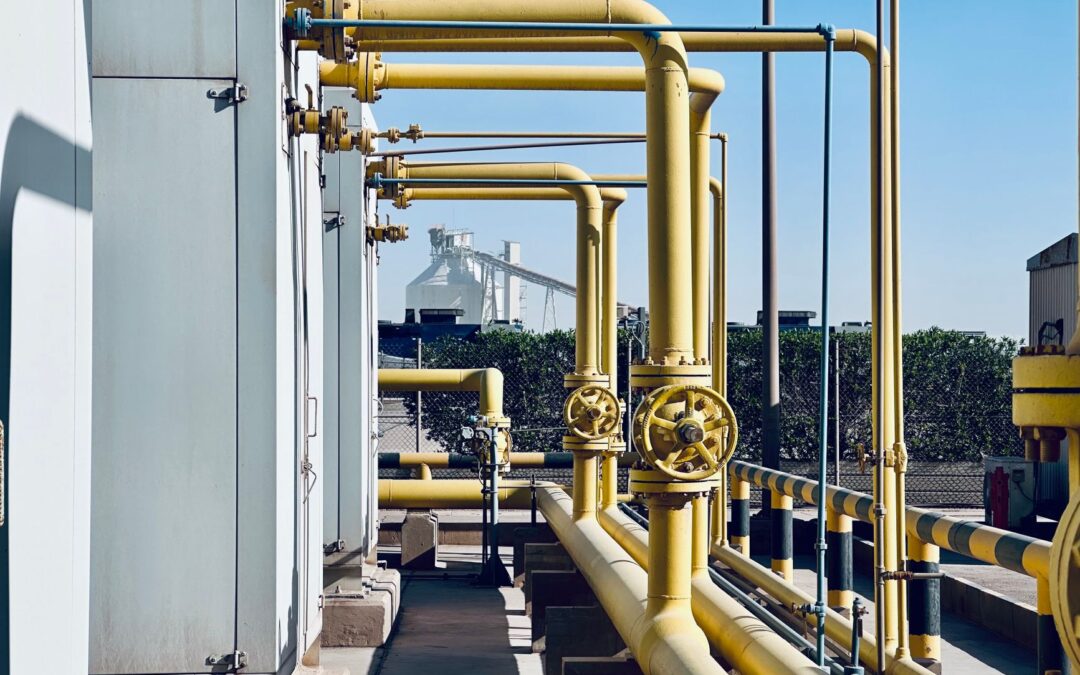
Virgo valves are a line of industrial ball, check, and floating valves widely used in oil, gas, petrochemical, and general energy-sector piping systems. They are known for API 6D and API 607 compliance, floating and trunnion-mounted ball designs, and pressure classes ranging from ANSI 150 to ANSI 2500. Buyers evaluating virgo valves are typically comparing floating ball construction, fire-safe certification, and lead time against comparable valve lines from other manufacturers.
This guide explains what virgo valves are, how the main valve types differ, what specifications matter when specifying them, and what equivalent industrial valve options exist when you need faster sourcing or a specific brand match. The goal is to give engineers, procurement teams, and resellers a clear, technical reference rather than a sales pitch.
What are virgo valves and where are they used?
Virgo valves are a family of industrial isolation and check valves manufactured for hydrocarbon, chemical, and utility service. The core product lines include floating ball valves, trunnion-mounted ball valves, and check valves designed to meet international standards such as API 6D, API 607/API 6FA (fire-safe), and ISO 15848 (fugitive emissions).
They are commonly specified for pipeline isolation, pump discharge, manifold blocks, and process shutoff duty across upstream, midstream, and downstream facilities. Typical size ranges run from 1/2 inch through 24 inch and larger, with pressure ratings from ANSI Class 150 up to Class 2500. Body materials include WCB carbon steel, CF8M/CF3M stainless steel, and duplex or exotic alloys for corrosive service.
Because virgo valves are positioned as a general-purpose industrial ball valve line, engineers often cross-reference them against other API 6D floating and trunnion valves during specification. Understanding the underlying valve type — floating versus trunnion, soft-seated versus metal-seated — matters far more than the brand label when confirming that a valve will perform in a given service. For authoritative standards context, the API 6D specification governs pipeline valve design.
What are the main types of virgo valves?
Virgo valves fall into three primary categories: floating ball valves, trunnion-mounted ball valves, and check valves. Each solves a different flow-control problem.
Floating ball valves
In a floating design, the ball is held between two seats and “floats” slightly downstream under pressure, pressing against the seat to create the seal. These are economical, reliable, and common in sizes up to about 8 inches and Class 600. They are ideal for on/off isolation in low-to-medium pressure service.
Trunnion-mounted ball valves
Trunnion valves fix the ball on upper and lower shafts, so the seats are spring-energized against the ball rather than the ball against the seats. This reduces operating torque and suits larger diameters and higher pressures — the preferred choice above 8 inches or Class 900.
Check valves
Check valves permit flow in one direction and prevent backflow. Virgo check valves include swing, dual-plate, and piston styles for pump and compressor protection.
Choosing between these depends on line size, pressure class, and torque budget rather than brand alone.
What specifications matter when selecting virgo valves?
The specifications that matter most are pressure class, body material, seat material, end connection, and certification. Getting these right prevents field failures and rejected submittals.
- Pressure class: ANSI 150, 300, 600, 900, 1500, or 2500 must match the piping spec.
- Body material: WCB carbon steel for standard service; CF8M/316 stainless or duplex for corrosive or sour service.
- Seat material: PTFE, RPTFE, or PEEK for soft seats; metal seats for high-temperature or abrasive media.
- End connections: raised-face flanged, RTJ, butt-weld, or threaded.
- Certifications: API 607/6FA fire-safe, ISO 15848 fugitive emissions, NACE MR0175 for sour service.
For sour gas or H2S environments, NACE MR0175 compliance is non-negotiable; the NACE/AMPP standards define material limits for sulfide stress cracking resistance. Always confirm that the datasheet lists the exact operating temperature and media, because a valve rated for the pressure may still fail on temperature or chemical compatibility. Procurement teams should request material test reports (MTRs) and certification packages before release.
How much do virgo valves cost?
Pricing for virgo valves varies widely by size, class, and material, but a rough guide helps set expectations. A 2-inch Class 150 floating ball valve in carbon steel with soft seats typically falls in the low hundreds of dollars, while a large trunnion-mounted stainless valve in a high pressure class can run into the thousands.
Cost drivers
- Size and class: cost rises sharply above 8 inches and above Class 600.
- Material: stainless, duplex, and exotic alloys can multiply the base carbon-steel price several times.
- Certification: fire-safe, fugitive-emission, and NACE documentation add cost and lead time.
- Actuation: gear operators, pneumatic, or electric actuators add to the bare-valve price.
Lead time is often as important as unit price. Standard configurations may ship from stock, while special materials or certifications can take weeks. When budgeting, factor in the full package — valve, actuation, certification, and freight — rather than the bare valve. Comparing quotes across equivalent API 6D valve lines frequently reveals meaningful savings without sacrificing specification.
Why do competitors rank for virgo valves, and what are the alternatives?
Competitors rank for “virgo valves” largely because they list the brand as a stocked line and publish detailed cross-reference data. Buyers searching this term are often looking for either the specific brand or a technically equivalent valve they can source faster.
The practical reality is that most floating and trunnion ball valves built to API 6D are cross-comparable. When a specific line has a long lead time or is unavailable, engineers substitute an equivalent valve matched on pressure class, body/seat material, face-to-face dimension (API 6D / ASME B16.10), and certification. A qualified alternative meets the same standard, same bore, same trim, and same fire-safe rating.
What matters when choosing a supplier for an alternative:
- Standards match: identical API 6D, API 607, and NACE compliance.
- Dimensional interchangeability: same face-to-face and flange drilling so it drops into existing piping.
- Documentation: complete MTRs and certification packages.
- Availability: stock or shorter manufacturing lead time.
The advantage of working with a specialist valve distributor is access to multiple proven brands, so the recommendation is driven by the application rather than a single catalog. That flexibility is often what closes the gap between a spec written around one brand and a valve that can actually ship on schedule.
What industrial valve lines serve as virgo valves alternatives?
Several established valve brands provide floating ball, trunnion, and plug valve options that meet the same standards as virgo valves. The right substitute depends on the exact service.
Plug valves
For severe or abrasive service where tight shutoff and low maintenance matter, pressure-balanced lubricated plug valves are a common alternative to soft-seated ball valves. They handle dirty media well and hold up in high-cycle isolation duty.
Gate valves
WKM and similar gate valve lines suit full-bore isolation in pipeline and wellhead applications where minimal pressure drop is required.
Gear operators
Large valves of any brand need proper actuation; DYNATORQUE 90 and comparable gear operators supply the mechanical advantage to cycle high-torque valves safely.
Energy Valves distributes plug valves, gate valves, pressure-balanced lubricated plug valves, and gear operators, representing brands including KF, Galli & Cassina, and WKM, and can cross-reference equivalent valves for energy-sector applications. You can review the full product range on the Energy Valves line sheet to match a specification.
How do you specify the right valve for your application?
Start with the process conditions, not the brand. Specify pressure, temperature, media, and required standards first, then select the valve type and material that satisfy them.
A practical specification checklist
1. Define service conditions: design pressure, temperature, and media chemistry.
2. Select valve type: floating ball, trunnion ball, plug, gate, or check based on size and torque.
3. Choose body and seat materials: match to media and temperature; confirm NACE for sour service.
4. Set end connections: flange rating, facing, or weld ends to match the piping spec.
5. Confirm certifications: fire-safe, fugitive emissions, and any client-specific requirements.
6. Add actuation: manual, gear, pneumatic, or electric.
Cross-checking against a recognized reference such as the ASME B16.34 valve standard ensures dimensional and pressure-temperature ratings are consistent. Following this sequence produces a datasheet that any qualified valve supplier can quote accurately, and it makes substituting an equivalent line straightforward when lead time or availability becomes the deciding factor.
Frequently asked questions about virgo valves
Are virgo valves fire-safe? Many virgo ball valves are certified to API 607 and API 6FA fire-safe standards, but certification depends on the specific model and trim, so always verify on the datasheet.
Can I substitute another brand for virgo valves? Yes. Any valve built to the same API 6D standard, pressure class, bore, material, and certification is generally interchangeable, provided face-to-face dimensions match the piping spec.
What sizes do virgo valves cover? Typical offerings span 1/2 inch through 24 inch and larger, in pressure classes from ANSI 150 through 2500, in carbon steel, stainless, and alloy bodies.
What is the difference between floating and trunnion designs? Floating valves seal by pushing the ball against a seat and suit smaller, lower-pressure lines; trunnion valves fix the ball and use spring-loaded seats for larger, higher-pressure service with lower torque.
Frequently Asked Questions
What are virgo valves used for?
Virgo valves are industrial ball, check, and floating valves used for isolation and backflow prevention in oil, gas, petrochemical, and utility piping systems, in sizes from 1/2 inch to 24 inch and pressure classes from ANSI 150 to 2500.
Can another brand be substituted for virgo valves?
Yes. Any valve built to the same API 6D standard, pressure class, bore size, body and seat material, and fire-safe certification is generally interchangeable, as long as face-to-face dimensions match the piping specification.
Are virgo valves fire-safe certified?
Many virgo ball valves are certified to API 607 and API 6FA fire-safe standards, but certification depends on the specific model and trim, so it should always be confirmed on the valve datasheet.